The Cascading Effects of Rule Changes on Betting Lines Across Different Sporting Codes and Their Accumulator Implications
Written by Otto Hoffmann · Nov 5, 2026
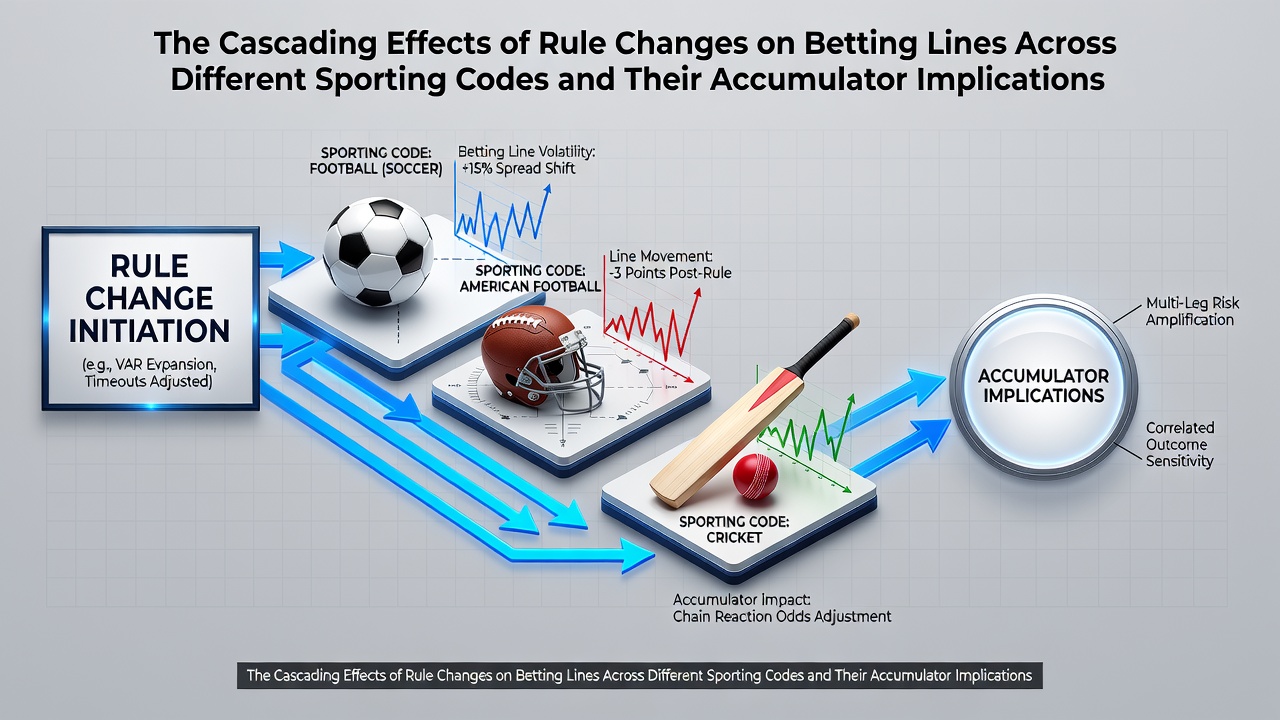
The Cascading Effects of Rule Changes on Betting Lines Across Different Sporting Codes and Their Accumulator Implications
Rule changes in major sporting codes often trigger immediate adjustments in betting markets, and these shifts extend beyond single events to influence multi-leg accumulators that combine outcomes from football, basketball, tennis, cricket, and horse racing. Observers note that when governing bodies alter regulations, bookmakers recalibrate lines across related markets, which creates ripple effects for bettors who build cross-sport parlays during periods like November 2026 when several leagues implement mid-season modifications.
Football and Basketball Rule Adjustments Reshape Core Markets
Football governing bodies introduced stricter interpretations of handball and offside protocols in several European competitions during late 2026, and data from industry reports shows these updates produced measurable changes in both match result odds and over-under totals. Bettors constructing accumulators that pair football legs with basketball quarters encounter additional complexity because basketball leagues simultaneously tightened foul accumulation rules, which altered player prop markets and quarter totals that often appear in the same multi-bet slips. Research indicates that when one sport experiences a sudden tightening of officiating standards, the correlated markets in another code frequently move in tandem even though the underlying athletic contests remain separate.
Cricket Pitch Regulations and Tennis Surface Modifications Create Cross-Code Volatility
Cricket boards updated pitch preparation guidelines ahead of the 2026-27 season, which led to revised averages for first-innings totals and wicket-taker props, while tennis federations adjusted ball specifications for indoor events around the same timeframe. Those who track accumulator performance across codes report that these seemingly isolated modifications generate compounding value shifts when bettors link cricket over totals with tennis set handicaps in the same wager. Figures from regulatory monitoring agencies reveal that such adjustments appear most pronounced during November scheduling overlaps when multiple sports run concurrent tournaments, forcing oddsmakers to account for broader market liquidity rather than isolated event data.
Accumulator Structures and Live Line Propagation
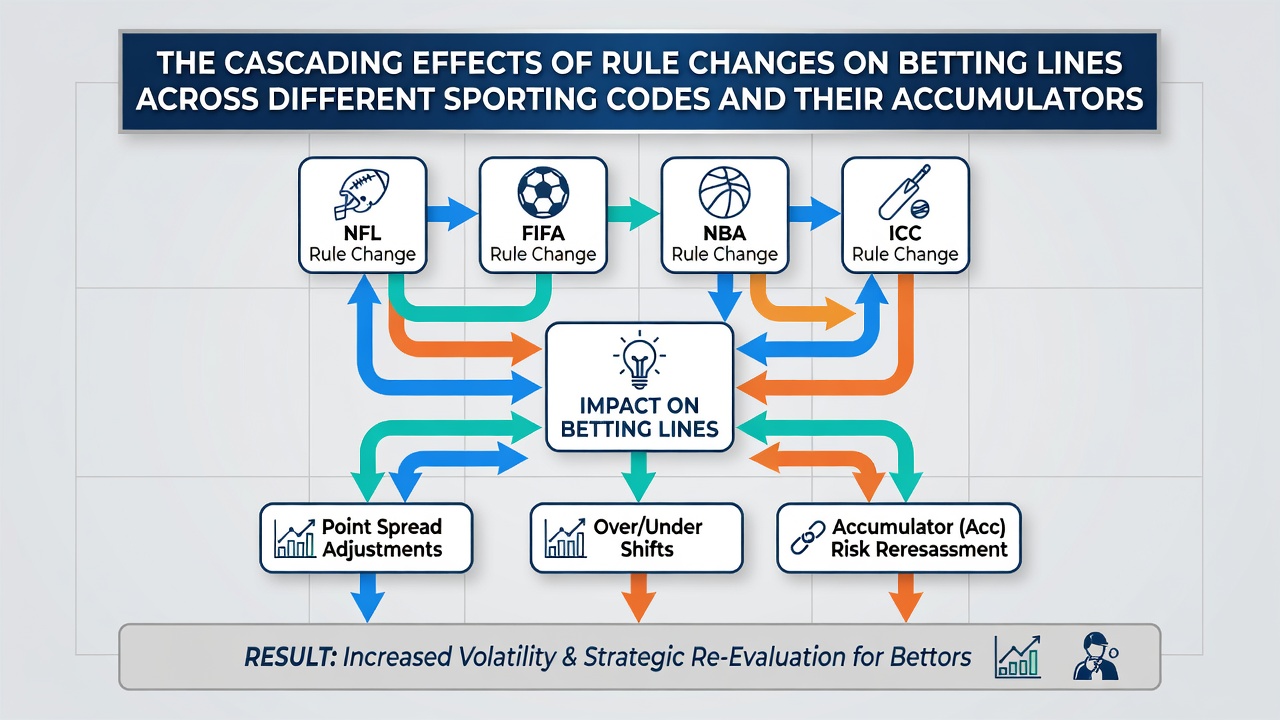
Multi-sport accumulators depend on the stability of individual legs, yet rule changes introduce dynamic re-pricing that propagates through live betting interfaces. When a basketball league expands replay review windows, for example, the resulting slowdowns affect in-play totals that sit alongside cricket partnership bets or horse racing place markets within the same accumulator. Industry analyses demonstrate that bookmakers respond by widening margins on correlated selections during the adjustment period, which reduces potential payouts for parlays that previously carried tighter odds. People who monitor these patterns note that early signals from one sport often foreshadow movements in seemingly unrelated codes because liquidity providers hedge across global markets rather than isolated fixtures.
Regulatory Oversight and Market Response Timelines
Government agencies in multiple jurisdictions track how rule modifications influence betting integrity, and the European Gaming and Betting Association has published summaries showing that operators typically require between 48 and 72 hours to fully integrate new parameters into accumulator pricing engines. During November 2026, several North American state regulators aligned their reporting requirements with international standards, which accelerated the visibility of line movements across football, boxing, and golf markets. These synchronized timelines mean that accumulators spanning more than two sports experience sequential repricing rather than simultaneous updates, creating windows where partial cash-out options become relevant for participants holding open positions.
Long-Term Implications for Multi-Code Betting Strategies
Studies conducted by academic research groups indicate that sustained rule changes eventually stabilize into new baseline odds, yet the transition periods produce elevated variance in accumulator outcomes. Bettors who combine selections from horse racing win markets with basketball player performance props encounter different risk profiles once both codes complete their regulatory adjustments. Data compiled by the Australian Gambling Research Centre shows that cross-sport parlays exhibit higher correlation coefficients during these transition months compared with stable regulatory environments. Observers tracking November 2026 fixtures therefore focus on the sequencing of rule announcements rather than individual match previews when evaluating accumulator viability.
Conclusion
Rule modifications across sporting codes generate interconnected effects on betting lines that extend directly into accumulator construction and pricing. The November 2026 period illustrates how simultaneous adjustments in football, basketball, cricket, and tennis create measurable shifts in market liquidity and payout structures for multi-leg wagers. Regulatory bodies and industry monitors continue to document these patterns, providing participants with data that reflects the broader implications of regulatory evolution rather than isolated event outcomes.